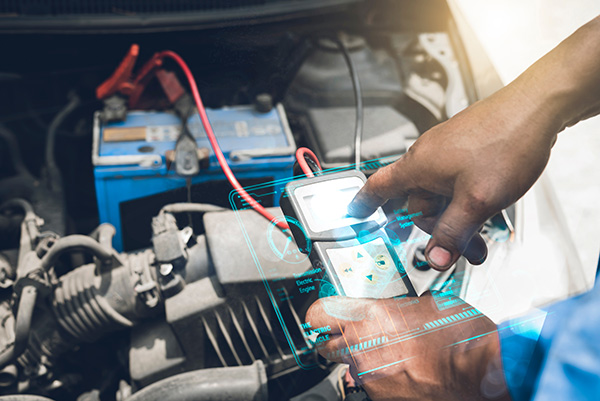
The starter turns a little slower than usual, then the engine finally catches. You make it to work and forget about the hesitation until the next chilly morning. Is the battery giving you an early warning, or does the temperature explain everything?
Cold weather can expose a weak or undercharged battery, but it can also reveal connection, starter, and charging concerns. Replacing the battery makes sense when testing supports it. Understanding what “slow start” means on your car is the first step toward finding out whether a new battery will solve the problem.
Slow Cranking and Delayed Engine Starting Are Different
Listen to what happens before the engine starts. Slow cranking means the starter turns the engine less quickly than normal. That points attention toward available electrical power, the circuit carrying it, the starter, and the resistance the engine presents.
If the engine turns at its usual speed but takes longer to fire, the investigation changes. Fuel delivery, ignition, sensors, or other engine conditions may be involved. A battery can still deserve a check, but normal-speed cranking with delayed firing is not automatically a battery replacement complaint. Describing that difference gives the appointment a more useful starting point.
Cold Weather Reduces the Battery's Starting Margin
A conventional lead-acid battery supplies power through chemical reactions that slow in colder conditions. Meanwhile, cold engine oil and other operating resistance can increase the effort needed to turn the engine. That combination asks for more of the available power.
An aging or partially discharged battery may cope during a mild Virginia Beach afternoon and struggle the following morning. Cold weather does not necessarily create a new failure overnight. It can reveal capacity that has gradually declined or charge the battery has not recovered. A battery test should account for charge level and temperature before its condition is judged.
An Undercharged Battery May Need More Than Replacement
Repeated short trips can leave a battery below full charge, especially when the vehicle uses lights, defrosters, and other electrical accessories. Starting draws energy immediately; the charging system needs an appropriate opportunity to replace it. Extended parking adds normal standby electrical use.
Charging problems or an excessive drain while parked can also lower the charge. A new battery installed without correcting those conditions may develop the same complaint. Tell us how often you drive, how long the trips last, and whether the car sits for several days. Those details help connect the test results with the way the vehicle is used.
Battery Connections Can Slow an Otherwise Capable Start
The starter needs substantial current, and poor connections can make that current harder to deliver. A loose terminal, corroded cable, or weak engine ground can create resistance. Under cranking load, voltage can drop across the affected connection instead of reaching the starter.
The problem may be visible, but a clean-looking cable is not proof of good operation. A voltage-drop test under the correct conditions helps find resistance that an ordinary parked voltage reading can miss. If a connection is responsible, replacing the battery alone leaves the fault in place. Check the circuit along with the battery itself.
Starter Wear and Engine Oil Can Affect Cold Cranking
A worn starter can turn slowly or draw excessive current. Engine oil that does not meet the required specification can also make cold operation less favorable. The correct oil includes the appropriate viscosity and any approvals specified for the engine.
These possibilities are reasons to test carefully, not reasons to replace several parts at once. The vehicle's service history, starter operation, and measured electrical behavior help establish the cause. If the sound has changed suddenly or the engine appears mechanically difficult to turn, explain that rather than assuming an older battery accounts for every change.
Bring These Details to a Battery Inspection
A few observations can make a cold-start complaint easier to reproduce. Note what you can safely observe without repeatedly trying to start a struggling vehicle.
- Whether cranking is slow or the engine turns normally but fires late.
- Whether the problem happens after overnight parking or after every stop.
- Whether a jump-start changes the behavior.
- Whether lights fade, warning messages appear, or clicking replaces cranking.
- Whether recent short trips, repairs, or added accessories preceded the problem.
A successful jump-start shows that additional electrical help changed the situation. It does not establish that the battery is the only faulty component. You still need to consider the results alongside the connections, charging system, and starter.
Choose a Replacement Battery That Fits the Vehicle
If testing confirms replacement is appropriate, battery selection involves more than physical size. Capacity, terminal arrangement, and technology need to suit the vehicle. Some stop-start systems require a particular battery type, and some vehicles need battery-management registration or a reset after installation.
Ask which specification applies and what the installation includes. A suitable replacement supports the vehicle's charging strategy, not just starting the engine once. The old battery's condition can also help explain why it failed, especially if it was repeatedly discharged or if a related electrical fault remains present.
Avoid Turning Slow Starts Into Repeated Jump-Starts
Arrange a check while the car is still starting instead of waiting for a morning when it will not. Follow the manufacturer's limits on starting attempts, and use its specified jump-start procedure if assistance becomes necessary. A swollen, damaged, leaking, or suspected frozen battery needs professional attention before charging or jumping.
If a charging warning appears while driving, or the car loses electrical functions, respond according to the manual and stop safely when necessary. Those symptoms can involve more than battery wear. Early testing gives you a clearer repair plan and helps reduce the chance of the same problem returning after replacement.
Get Battery and Starting-System Service in Virginia Beach, VA
Napa BP in Virginia Beach, VA, can check slow cranking and related battery, connection, starter, or charging concerns. Share the cold-start pattern and any recent jump-starts so we can explain what we find.
Contact us to schedule a battery and starting-system inspection.