Posted on 9/25/2026
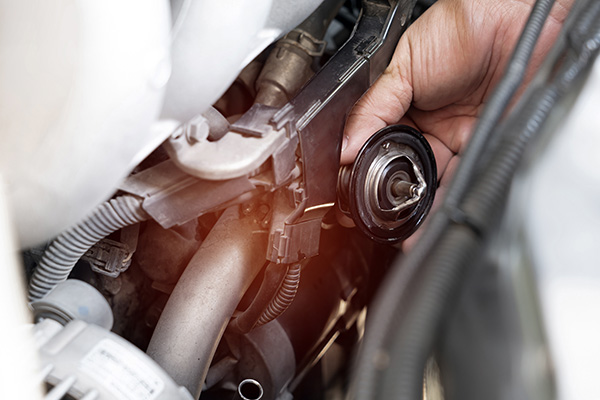
The thermostat is a small cooling-system part, but when it stops working correctly, the symptoms can affect engine temperature, cabin heat, fuel economy, and even the engine's life. A thermostat stuck open creates very different problems than one stuck closed. Watching the temperature gauge gives you useful clues, but it doesn't prove the thermostat is bad. Coolant level, water pump operation, radiator condition, cooling fans, and temperature sensors can create similar symptoms. A cooling-system diagnostic is the best way to confirm what is actually happening. A Stuck-Open Thermostat Keeps the Engine Too Cool The thermostat should stay closed while the engine warms up, then gradually open once the coolant reaches operating temperature. If it sticks open, coolant circulates through the radiator too soon. You may notice that the temperature gauge takes much longer than normal to reach its usual position. In colder weather, it may stay noticeably low for the e ... read more
Posted on 8/28/2026
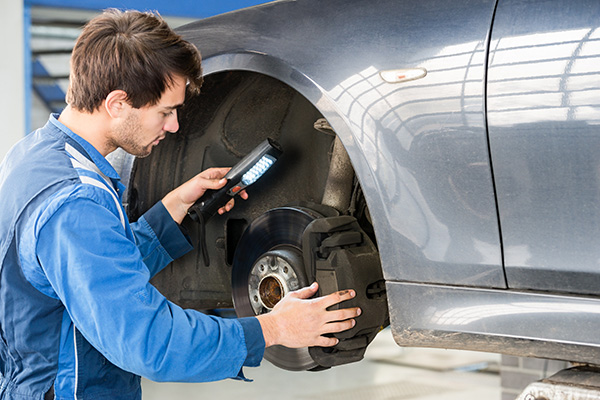
Brake pad wear sensors are supposed to give you advance notice that the friction material is getting close to its replacement point. When the warning appears much earlier than expected, though, it can be confusing, especially if the brakes were serviced recently or the pads still appear to have plenty of material left. An early warning does not always mean the sensor itself is defective. The system may be reacting to uneven pad wear, a damaged sensor wire, incorrect installation, a sticking brake component, or even a warning that was never reset after previous brake work. The right repair starts with checking the actual brake condition rather than assuming the pads need to be replaced again. How Brake Pad Wear Sensors Work There are two common types of brake pad wear indicators. Some vehicles use a simple mechanical tab that touches the rotor and creates a squealing sound when the pad wears down. Others use an electronic sensor built into or clipped onto the brake p ... read more
Posted on 7/31/2026
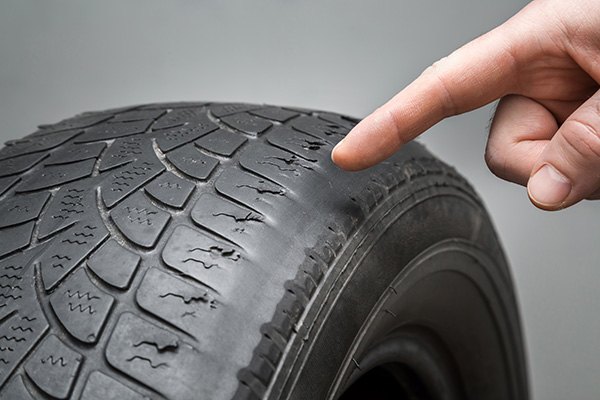
A tire that wears out faster on one side is telling you something about how the wheel is sitting on the road. The outer edge may look smooth while the inner tread still appears usable, or the inside shoulder may be nearly bald where it is hard to see. Drivers sometimes replace the tire and move on, only to find the same wear pattern returning a few months later. Uneven tire wear is rarely just a tire problem. Alignment angles, suspension condition, tire pressure, driving habits, and worn steering parts can all change how the tread contacts the pavement. Finding the cause matters because a new tire will wear the same way if the underlying problem stays in place. Wheel Alignment Is One Of The Most Common Causes Wheel alignment controls the direction and angle at which each tire meets the road. If one wheel points slightly inward or outward, the tire can scrub across the pavement instead of rolling straight. That condition is known as incorrect toe, and it can wear one ... read more
Posted on 6/26/2026
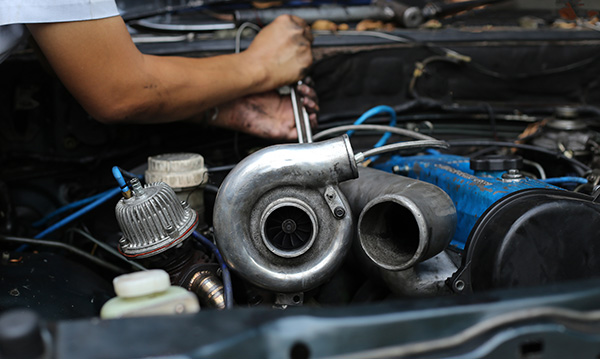
Turbocharged engines can make smaller engines feel stronger, quicker, and more responsive. That extra power comes from heat, pressure, and fast-moving parts working in a very tight space. When oil control starts slipping, the engine may keep driving normally for a while, but damage can build quietly. Oil burning is one of the problems that turbo engines do not handle well. It can start with a faint smell, light smoke, or an oil level dropping between services. If it continues, the turbocharger, catalytic converter, spark plugs, sensors, and internal engine parts can all suffer. Why Turbocharged Engines Burn Oil A turbocharged engine depends on oil for lubrication and cooling. The turbocharger spins at extremely high speeds, and oil flows through it to protect the bearings and control heat. If oil gets past seals, sits too long in hot areas, or breaks down from age and heat, it can burn inside the engine or exhaust system. Some oil burning happens because of engine ... read more
Posted on 5/29/2026
A turbocharged engine can feel great when everything is working. Quick response, strong pull, and plenty of power from a smaller engine. When the turbo system starts acting up, though, the change can be hard to miss. Sometimes it is smoke. Sometimes it is a new whistle, a loss of power, or a car that suddenly feels lazy when you hit the gas. The tricky part is that turbo problems can also feel like fuel, ignition, exhaust, or sensor problems, so the whole system needs to be checked before making a major repair decision. What The Turbo Does Every Time You Drive A turbocharger uses exhaust energy to spin a turbine, which helps force more air into the engine. More air allows the engine to make more power when the fuel and computer controls are working correctly. That extra performance is why many modern engines use turbochargers. The turbo lives in a tough spot. It spins extremely fast, deals with high heat, and depends on clean oil for lubrication. If the oil supply ... read more